× Close
24/7 Service: (303) 241-7849

TPO Commercial Roofing

TPO Commercial Roofing Services in Denver

A Practical, Energy-Efficient Roofing Option for Commercial Buildings

TPO commercial roofing systems are one of the most popular materials used with commercial and industrial buildings. They are easy to install and provide a highly durable, energy efficient option at an affordable cost. But as with any type of commercial roofing material, it performs better in certain applications than others. Understanding the properties, benefits, installation process and maintenance needs of TPO roofs is critical to determining whether it’s the right solution for your building.

At HRS Commercial Roofing, we have extensive experience installing, maintaining, repairing and restoring TPO commercial roofing systems. Our team can help you understand whether a TPO roof is the right fit for your specific application, and we can provide the customized roofing recommendations necessary to ensure your new TPO roof delivers the best possible results for years to come.
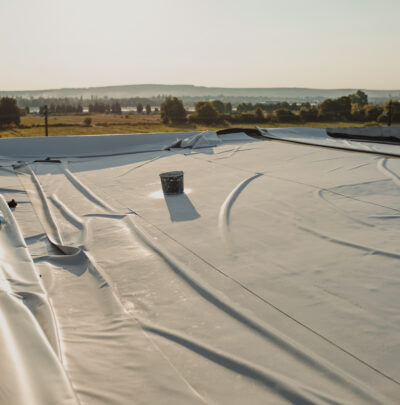
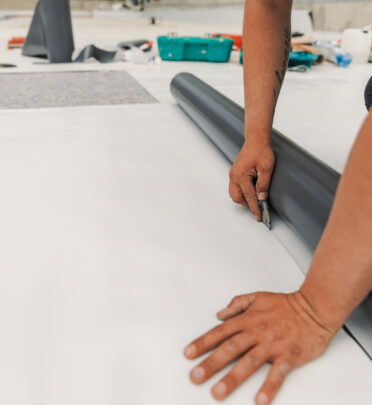
HRS Commercial Roofing in Denver, Colorado HRS Commercial Roofing in Denver, Colorado

Thermoplastic Polyolefin

What Is TPO Roofing?

TPO stands for thermoplastic polyolefin. It is a single-layer roofing membrane commonly used on flat or low-slope commercial buildings. TPO roofing is installed in large sheets that are secured to the roof and heat-welded at the seams. These welded seams create a strong, watertight surface designed to keep moisture out. Its naturally reflective surface provides protection against UV rays while providing the durability to hold up against weather and foot traffic.

TPO roofs are commonly used on office buildings, warehouses, retail centers, schools and industrial facilities. The material is popular because it performs well in many climates, including Colorado’s, and offers a good balance between upfront cost and long-term value.

Benefits of TPO Roofing Systems

When installed and maintained correctly, TPO roofing systems offer several practical advantages for commercial properties:

  • Energy Efficiency – TPO membranes are typically light-colored and reflective, which helps reduce heat absorption. This can make buildings easier to cool during warmer months and may help lower energy costs.
  • Strong, Watertight Seams – The seams on a TPO roof are heat-welded rather than glued or taped. This creates a tight bond that helps prevent leaks over time.
  • Durability – TPO roofs are designed to handle exposure to sun, wind and temperature swings. They also hold up well under regular foot traffic from maintenance crews.
  • Cost-Effective Installation – Compared to some other commercial roofing systems, TPO often offers a lower upfront cost without sacrificing performance.
  • Flexible Design Options – TPO works well on many types of flat and low-slope roofs and can be paired with insulation systems to improve overall building performance.

When Should I Consider TPO Commercial Roofing?

A TPO roof can be a strong option if:

  • You own or manage a flat or low-slope commercial building
  • Energy efficiency is a priority
  • You want a durable roof without the cost of more complex systems

That said, TPO isn’t automatically the best choice for every building. Factors like roof use, foot traffic, drainage, insulation needs and long-term goals all play a role. At HRS Commercial Roofing, we explain these considerations to you in detail and answer any questions you may have to ensure you understand your options. If we believe a TPO roof is the best option for your specific needs, we’ll work with you to develop a customized solution that delivers the best possible results for your building.

Years of Hands-On Experience

TPO Roof Installation Process

The performance and lifespan of a TPO roof depend heavily on how it’s installed. At HRS Commercial Roofing, our installation process is built on industry best practices and years of hands-on experience with TPO commercial roofing systems.

Inspection and Planning

We start by evaluating the roof structure, drainage, insulation and overall condition. This helps ensure TPO is a good fit and allows us to plan the installation properly.

Preparing the Roof Surface

The existing roof is removed, and the deck is inspected. Any damaged areas are repaired before new materials are installed.

Installing Insulation and Membrane

Insulation is installed to support energy efficiency and drainage. The TPO membrane is then laid out and secured according to manufacturer guidelines.

Heat-Welding Seams and Sealing Details

Seams, edges, penetrations and transitions are carefully welded and sealed to create a watertight surface.

Final Inspection

We review the completed roof to make sure everything is installed correctly and performing as expected.

How Long Do TPO Roofs Last?

TPO roofs typically last 15 to 30 years. The exact lifespan depends on a variety of factors, including:

  • Quality of installation
  • Amount of foot traffic
  • Exposure to extreme weather
  • Regular inspections and maintenance

In general, TPO systems with thicker 60 mil or 80 mil membranes are more likely to reach the upper end of that range, while standard 45 mil membranes typically last 15-20 years on average. In addition, routine maintenance and early repairs can significantly extend the life of a TPO roof. At HRS, we can provide all maintenance services for your new roof to help you maximize its lifespan.

How Is TPO Roofing Repaired and Maintained?

TPO roofing is generally straightforward to maintain when issues are caught early. Repairs often involve resealing seams, patching punctures, repairing flashing or addressing drainage problems. Because TPO seams are heat-welded, repairs need to be done correctly to maintain watertight performance.

Maintenance typically includes inspections, cleaning debris, checking seams and penetrations, and making small adjustments before problems develop. At HRS Commercial Roofing, we provide expert maintenance and repair services to help you prevent major issues and ensure your roof functions properly for years to come.

Read More

Why Choose HRS for TPO Commercial Roofing

Choosing the right contractor plays an important role in the performance of your new roof. At HRS Commercial Roofing, we’ve developed a reputation for delivering exceptional quality work at an affordable price. We’re a subsidiary of Haselden Construction, a family-owned company serving Denver and the Rocky Mountain region for over 50 years. Our affiliation with Haselden allows us to perform all work in-house and provides you with a variety of important benefits, including faster turnaround times, competitive pricing and a more streamlined process.

At HRS, we want to build a lasting relationship with you that extends beyond the installation of your new TPO roof. We’re in it for the long haul and will be your dedicated roofing partner. You can count on us to provide the exceptional service you need throughout the lifespan of your roof. With our commitment to excellence, you’ll have peace of mind that all work will always be performed right the first time and if it’s not, we’ll do whatever it takes to fix it.

Frequently Asked

TPO Roofing FAQs

What is a TPO roof used for?

TPO roofs are commonly used on flat or low-slope commercial buildings such as offices, warehouses and retail spaces.

Is TPO roofing energy efficient?

Yes. TPO membranes are reflective and help reduce heat absorption, which can improve building efficiency.

Can a TPO roof be repaired instead of replaced?

In many cases, yes. Small issues can often be repaired if the roof is otherwise in good condition.

How often should a TPO roof be inspected?

Most TPO roofs should be inspected at least once or twice a year and after major storms.

Does TPO roofing work well in Colorado?

Yes. When properly installed, TPO performs well in Colorado’s sun, temperature swings and weather conditions.

Is TPO the right choice for my building?

The best way to know is through a professional assessment. At HRS Commercial Roofing, we help you evaluate whether TPO fits your roof structure, budget and long-term goals.