
Key Takeaways:
Multi-family building roofs often show clear warning signs of failure before leaks develop. Property managers should monitor for aging roofing systems nearing the end of their expected lifespan, standing or ponding water on flat roofs, blistering or cracking membranes, punctures or open seams caused by foot traffic or severe weather, damaged or curling shingles and clogged drainage systems. Identifying these issues early through regular inspections allows building owners to repair localized damage before moisture infiltration occurs, helping prevent structural deterioration, tenant disruption and costly emergency roof repairs.
When managing a multi-family building, maintaining optimal roof conditions is critical to preventing significant damage to your property. A small leak can quickly escalate, causing water damage that results in tenant complaints, safety issues, expensive emergency repairs and other headaches that can easily be avoided if you understand the warning signs that your roof may need repairs.
Aging Roof Nearing the End of Its Lifespan
Your commercial roof undergoes significant wear and tear and over time, the structural integrity of the roof can become compromised due to aging, improper maintenance or harsh weather conditions. As your roof nears the end of its lifespan, there’s a greater risk of leaks. When these leaks aren’t repaired, your building may sustain water damage that compromises its structural integrity and causes mold growth that poses health risks to your residents.
While regular roof inspections are always an important component of commercial roof maintenance, these assessments are especially critical whenever you have an old roof. This will allow you to detect small leaks in their earliest stages and perform all necessary leak repairs. The typical lifespan of a commercial roof depends on the specific roofing system used:
- TPO roofs – 20-30 years
- EPDM roofs – 20-30 years
- Modified bitumen roofs – 15-20 years
- Asphalt shingles – 20-30 years (depending on the shingle type)
- Metal roofs – 30-50 years
- PVC roofs – 20-30 years
You can reference your roof’s installation date to estimate how close it may be to the end of its lifespan. In addition, reviewing past repair history can help you decide when you need to start budgeting for major leak repairs or a commercial roof replacement. In general, frequent repairs may indicate that your roof is rapidly approaching the end of its life.
Ponding Water on Flat Roofs
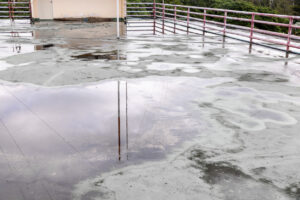 Flat roofs lack the slope necessary for water to run off the surface of a roof, making ponding a common issue. Ponding water refers to a situation where standing water pools on a flat roof and fails to drain within a few days after a storm. Ponding can occur for a variety of reasons, including clogged drains, poor drainage systems or a sagging deck. When water pools on your roof for extended periods of time, it can cause structural damage that increases the risk of a leak. Repairing the issue causing the ponding can help you avoid more serious damage to your roof that may occur after a leak develops.
Blistering and Surface Cracks
Pockets of moisture building up beneath the surface of your roof combined with prolonged sun exposure can cause the membrane to become stretched over time. Eventually, this will lead to blistering, a condition that occurs when the membrane separates from the decking layer beneath the surface. A blistering roof will have a bubbled appearance that resembles the skin of an alligator. When blistering is left untreated, the pressure created by the moisture pockets may cause the membrane to crack. Once cracks form, additional moisture can infiltrate the membrane layers, resulting in leaks.
Membrane Punctures, Tears and Open Seams
Punctures, tears and open seams are some of the most common issues that result in leaks on multi-family flat roofs.
While the roofing systems used on flat roofs are durable and intended to withstand significant amount of abuse, they’re still susceptible to punctures or tears due to:
- Foot Traffic – Flat multi-family roofs generally contain a lot of equipment, including HVAC units, solar panels, satellite dishes and exhaust fans. When maintenance workers walk along the roof to perform repairs on this equipment, it can wreak havoc on the membrane. Heavy boots, dropped tools, and service carts and parts being dragged can all grind or punch through the membrane, causing punctures and tears that cause the roof to leak.
- Severe Weather – Colorado experiences intense hailstorms which can damage the surface of your roof, leaving holes and tears that can cause leaks. Punctures can also develop when blown debris from heavy winds hit the surface of your roof.
- Animals – When raccoons, birds and squirrels get onto rooftops, they often scratch or peck the surface, leading to punctures.
Seams can open up due to a variety of reasons, including:
- UV exposure which dries out adhesives
- Poor welds that were never bonded properly when the roof was installed
- Building movement that stresses the joints
- Heavy winds which get underneath the surface of the roof and peel seams open
Once seams split, it creates an opportunity for moisture to penetrate your roof’s surface and over time, this can lead to leaks. Regular roof inspections will help you identify punctures, tears and open seams before they cause extensive roof damage.
Damaged, Missing or Curling Shingles
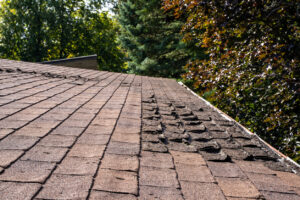 Damaged, missing or curling shingles is often the first visible sign that water protection is breaking down on your roof. When shingles break down, it can allow water to reach the roof deck, increasing the risk of leaks and rot.
Shingles can curl or become damaged for a variety of reasons, including:
- Age – Asphalt shingles become brittle and lose their flexibility as they age, making them more likely to crack, break or curl at the edges.
- UV Rays and Temperature Fluctuations – Daily hot-cold cycles cause shingles to expand and contract, stressing the asphalt until it splits or the surface develops cracks. UV ray exposure can exacerbate this issue by accelerating drying, cracking and surface wear.
- Improper Installation – Shingles that aren’t nailed down correctly are more likely to loosen or become vulnerable to damage during high wind.
- Extreme Weather – High winds, heavy rain and hail storms can damage shingles, break their seal strips or tear them off entirely.
Clogged Gutters, Drains or Downspouts
Clogged gutters, drains and downspouts can cause water to pool up on multi-family roofs. Over time, this can lead to roof deterioration and other structural issues that may increase the likelihood of a leak. The following signs may indicate that your drainage system isn’t functioning properly:
- Gutters overflowing during rainstorms
- Water stains on exterior walls below gutters
- Visible debris blocking downspouts
- Ice dams during the winter
HRS Commercial Roofing Can Help
If you notice any of the warning signs discussed above, prompt action is critical to prevent the development of a roof leak. At HRS Commercial Roofing, we provide comprehensive roof repair services for multi-family buildings. Our team will perform a thorough roof assessment to identify the nature and extent of damage. This allows us to recommend the ideal solution to restore your roof to its optimal condition.
Contact us today to schedule a roof assessment. HRS Commercial Roofing serves multi-family buildings in Denver and throughout the Rocky Mountain region.
