
A roof leak typically begins as a small crack in the membrane, a loose flashing seal or a clogged drain, and it can take months to surface as visible water damage. By the time you see a stain on a ceiling tile, the water damage has often already spread into insulation, structural components or the space below. In a healthcare facility, that delay carries more risk than it would in a typical commercial building. Water intrusion near patient care areas, medical equipment or sterile environments can force room closures, damage costly equipment or create infection control issues that go well beyond property repair.
What Causes Roof Leaks in Healthcare Facilities?
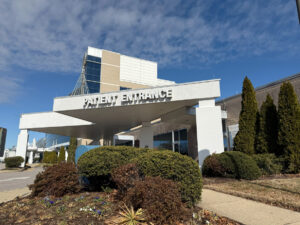 Healthcare facility roofs carry more equipment and see more foot traffic than most commercial buildings. Rooftop HVAC systems, exhaust vents and medical gas lines all require penetrations through the roof membrane, and each penetration is a potential entry point for water if the seal deteriorates. Frequent maintenance visits to service this equipment can also accelerate wear on the roof surface over time.
Beyond equipment-related wear, most leaks trace back to one of the following:
- Aging or damaged roofing membrane that has lost its ability to repel water
- Flashing that has separated from walls, curbs or equipment bases
- Clogged or damaged drains that cause water to pool instead of draining properly
- Deteriorated seals around skylights, vents or rooftop access points
- Structural movement that creates small gaps or cracks over time
Keeping your roof watertight directly affects patient safety and infection control. Moisture that gets trapped behind walls or above ceilings creates conditions for mold growth, which can compromise air quality in spaces where patients have weakened immune systems. Addressing these causes before they lead to water intrusion protects both your building and the people inside it.
What Are the Early Warning Signs of a Roof Leak?
Catching a roof leak early requires knowing what moisture looks like before it becomes an obvious problem. Water does not always show up as a visible drip. In many cases, it moves through insulation and building materials before it becomes noticeable, which means the first signs are often subtle.
Watch for the following indicators:
- Discoloration or yellowish stains on ceiling tiles or walls
- A musty or damp odor in specific rooms or hallways
- Soft, sagging or bubbling spots on the ceiling
- Peeling paint or bubbling drywall
- Unexplained increases in humidity in certain areas of the building
- Visible mold or mildew growth
- Water pooling on the roof surface that does not drain within 48 hours
If you notice any of these signs, it is worth investigating right away. Waiting to confirm the source of a roof leak often gives it more time to spread into insulation, structural framing or adjacent rooms.
Interior Signs That Indicate Roof Damage
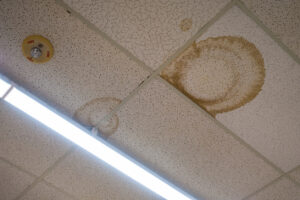 Water damage has more significant consequences in a healthcare facility than in other commercial buildings. Many healthcare spaces have strict air quality and humidity requirements, particularly in areas like operating rooms, sterile processing and patient care units. When moisture from a roof leak reaches these spaces, it can compromise air quality, create infection control risks and damage sensitive equipment. Recognizing interior warning signs early gives you the chance to address a leak before it disrupts patient care or compromises a controlled environment.
Areas with sensitive equipment or vulnerable patient populations deserve close attention:
- In an imaging suite, watch for discoloration on ceiling tiles near equipment or a faint musty smell when the HVAC system runs
- In medication storage rooms, check for condensation on walls or packaging, since moisture can compromise stored medications before any visible leak appears
- In areas serving immunocompromised patients, even a small water stain or soft spot in the ceiling warrants immediate investigation, since mold growth can develop within 24-48 hours after water damage has occurred
A small stain near an HVAC vent or above a medical equipment closet can indicate water from roof damage is traveling through the building before reaching a visible surface. Discoloration in these areas often appears well after moisture has already reached insulation or structural components, so the visible sign is rarely the earliest indicator of a problem.
Humidity sensors or building management systems can help you catch changes in moisture levels before staff or patients notice a physical sign. If your facility uses a building automation system, unexplained fluctuations in humidity or temperature in specific zones are worth investigating. These fluctuations can indicate roof damage is causing water intrusion above ceiling tiles or within wall cavities, even when no visible staining has appeared yet.
Documenting interior signs of roof damage and water intrusion as soon as you notice them also supports any regulatory reporting requirements your facility may have around air quality or environmental conditions. Keeping a clear record of when a sign was first noticed and where it was located will help your commercial roofing company identify the source of the leak more quickly.
Exterior Signs That Indicate Roof Damage
Exterior signs of damage often develop before any interior sign appears, which makes regular roof assessments an important part of catching problems early. Look for the following during a visual inspection of your healthcare facility roof:
- Ponding water that remains on the roof surface more than 48 hours after rainfall
- Cracked, blistered or bubbling areas on the roof membrane
- Flashing that has pulled away from walls, curbs or rooftop equipment
- Debris buildup around drains or scuppers that restricts water flow
- Granule loss on the roof surface, which can appear as bare or shiny patches
- Visible gaps or separation around rooftop penetrations for HVAC units, vents or medical gas lines
Rooftop equipment areas deserve particular attention. Check the seals and flashing around HVAC units, exhaust fans and medical gas venting during every walkthrough, since these penetrations are common failure points.
Standing water is one of the clearest signs that your roof needs attention. Water that pools instead of draining adds weight to the roof structure and increases the likelihood that it will find a way through a weak point in the membrane or flashing. If you notice ponding water in the same area after multiple rain events, this indicates a drainage issue that needs to be addressed before it leads to a leak.
How Often Should You Schedule Healthcare Facility Roof Inspections?
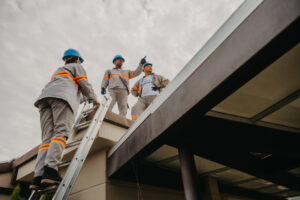 Most commercial roofs benefit from an inspection twice a year, typically in spring and fall, to catch damage from seasonal weather changes. Healthcare facilities often need a tighter schedule than this baseline because of the increased health, safety and infection control issues associated with water intrusion. Many healthcare facilities schedule quarterly inspections, particularly for older roofs or roofs with a history of repairs.
In addition to these routine inspections, you should also request a professional roof assessment after any severe weather event, including heavy rain, hail or high winds. Storm damage is not always visible from the ground or even during a quick walkthrough, so a professional inspection after severe weather can catch damage before it develops into a leak.
Regular roof assessments also support the documentation your facility may need for regulatory compliance or accreditation reviews. Many healthcare accrediting bodies expect facilities to demonstrate ongoing maintenance of building systems that affect patient safety and environmental controls. A consistent roof inspection schedule, along with detailed reports from each visit, gives you a clear record to reference if your facility is ever audited on building maintenance practices.
Keeping a regular roof inspection schedule also helps you budget for repairs before they become emergencies. Small issues identified during a routine inspection typically cost less to fix than a leak that has already damaged interior spaces or equipment.
What Should You Do If You Notice Signs of Roof Damage?
If you identify any interior or exterior signs of roof damage, acting quickly limits the extent of the damage and reduces the risk to patient care areas. Make sure you take the following steps:
- Document what you observed, including the location, date and a photo if possible
- Note any changes in humidity, odor or temperature in the affected area
- Restrict access to the area if there is any risk of ceiling collapse or falling debris
- Contact a commercial roofing company to schedule a professional inspection
- Avoid attempting temporary repairs yourself, since improper patches can trap moisture and make the source of the leak harder to identify
A professional roof inspection will confirm the source of the damage and determine whether the issue is isolated or part of a larger problem with the roofing system. In a healthcare facility, delaying this step increases the risk of mold growth, compromised air quality and disruption to patient care areas that may require temporary closures.
Addressing roof damage early also tends to cost less than waiting for a full leak to develop. A repair that could have been completed with minor materials and limited downtime often becomes a more extensive project once water has spread into insulation, structural components or interior finishes.
HRS Commercial Roofing Can Help
At HRS Commercial Roofing, we provide comprehensive roofing services for healthcare facilities. Our team understands the increased stakes associated with water intrusion in a healthcare setting, and we have the expertise necessary to identify and address the signs of roof damage before they create health and safety risks for your patients.
At HRS, we work hard to manage all roofing issues in a way that minimizes disruption to your operations. Our team will take the time to understand how the different areas of your healthcare facility are used and which sections are most sensitive to disruption. We’ll always coordinate all inspections, maintenance work and repairs with your team to reduce noise, limit debris and avoid disruptions that can impact your ability to care for your patients. In addition, we’ll provide you with clear documentation of all damage we identify and all work performed so that you have detailed records in the event of an audit.
HRS Commercial Roofing is a subsidiary of Haselden Construction, a third-generation, family-owned company serving Denver and the Rocky Mountain region for over 50 years. Haselden is the only contractor of its size with a dedicated roofing division. This affiliation allows us to keep all work in-house so that you can receive faster turnaround times, more competitive pricing and a smoother process. You’ll also benefit from having all work performed according to Haselden’s exacting quality standards. At HRS, we’re committed to doing the job right the first time, and we provide the ongoing support necessary to ensure your roof provides the performance you need throughout its lifespan.
Contact us today to schedule a roof assessment. HRS Commercial Roofing serves healthcare facilities in Denver and throughout the Rocky Mountain region.
Frequently Asked Questions About Warning Signs of Healthcare Facility Roof Damage
What are the first signs of a roof leak in a healthcare facility?
The first signs are usually subtle changes rather than visible water. Watch for musty odors, unexplained humidity changes, faint discoloration on ceiling tiles or soft spots on the ceiling surface. Visible dripping or staining typically appears only after moisture has already spread into insulation or structural components.
How often should a healthcare facility schedule roof inspections?
Most healthcare facilities should schedule roof inspections at least twice a year, with many facilities managers opting for quarterly inspections for older roofs or roofs with a history of repairs. You should also request an inspection after any severe weather event, including heavy rain, hail or high winds.
Why is roof maintenance more important for healthcare facilities than other commercial buildings?
Roof maintenance is more important in healthcare facilities because water intrusion can compromise air quality, create infection control risks and damage sensitive medical equipment. These consequences extend beyond property damage and can affect patient safety, regulatory compliance and continuity of care.
What should you do if you notice signs of roof damage?
Document the location, date and appearance of the issue, then contact a commercial roofing company to schedule a professional inspection. Avoid attempting temporary repairs yourself, since improper patches can trap moisture and make it harder to identify the source of the leak.
Can a roof leak affect patient care areas even without visible water damage?
Yes. Moisture can travel through insulation, wall cavities and ceiling spaces before any visible sign appears. This means it can reach patient care areas, medication storage or sensitive equipment before staff notice a physical indicator. Humidity sensors and building management systems can help detect these changes earlier than a visual inspection alone.
