
Roof leaks at a shopping center create problems that extend well beyond the repair itself. Water intrusion can damage tenant inventory, force temporary store closures and disrupt the customer experience your tenants depend on to drive revenue. For property owners and managers, that can result in liability exposure, strained tenant relationships and reputational damage that affects your ability to attract and retain quality retailers. The significant consequences associated with a roof leak make proactive leak prevention an essential part of your property management protocol.
Essential Components of a Shopping Center Roof Leak Prevention Plan
An effective leak prevention plan for your shopping center should include:
- Regular roof assessments
- Ongoing roof maintenance
- Proactive repairs
- Proper drainage management
- Clear documentation of all roofing services
Regular Roof Assessments
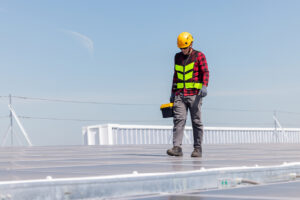 Regular roof assessments will ensure you identify any potential issues in their earliest stages before they result in a serious leak at your shopping center. The proper cadence for roof inspections is twice a year, generally in fall and spring. Your fall roof assessment will ensure any issues are addressed prior to the harsh winter weather, and your spring inspection will help you identify and address any damage caused by the snow and ice that accumulates on your roof all winter. In addition, you should schedule additional roof inspections following a major storm.
Regular roof inspections will help you detect:
- Areas of ponding water
- Deterioration of your roof membrane
- Damage to flashing, penetrations or seam integrity
- Issues with your drainage system
Ongoing Roof Maintenance
Regular roof maintenance is the most effective way to minimize the risk of roof leaks and to maximize your roof’s lifespan. Preventive maintenance services will typically involve:
- Clearing drains and scuppers of debris
- Monitoring the condition of your roof’s membrane
- Sealing and caulking seams, penetrations and edges which are drying out or cracking to prevent water intrusion
- Performing basic repairs of minor issues that may be developing, such as loose flashing, minor membrane damage or backed-out fasteners
- Making proactive recommendations for any major repairs that need to be addressed in the near future
Proactive Repairs
Small roof issues can escalate into large problems quickly if they’re not addressed in a timely manner. When repairs are delayed, it increases the risk of developing a leak that can negatively impact your retail tenants. Staying on top of all necessary roof repairs as they arise is one of the most important steps you can take to prevent these leaks from occurring.
Proper Drainage Management
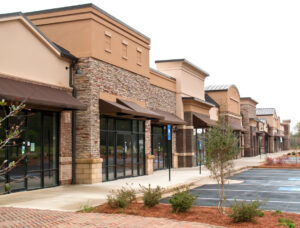 Poor drainage systems are one of the most common causes of roof leaks at shopping centers, and making sure your drainage system is working properly will play a major role in preventing leaks. Proper drainage management starts with installing a high-capacity system that is appropriately sized for your building. There are several different drainage system options for commercial roofs, and the right solution for your building will depend on your roof’s size and slope.
In addition, it’s important to keep your gutters clean and free of debris. Clogged drainage systems can prevent water from flowing freely off the roof and getting diverted away from the building. Removing leaves and other debris from your gutters will be done as part of your regular roof maintenance, which is another reason why it’s important to stay on top of these services.
Clear Documentation of All Roofing Services
It’s important to maintain detailed records of all roofing services performed at your shopping center. Accurate records improve your ability to manage roof repairs as they arise, and they help in planning for upcoming roof replacements. In addition, maintaining clear documentation of all services performed will facilitate a smoother process when submitting warranty and insurance claims.
Make sure you keep documentation of:
- Your roof’s inspection history
- Ongoing maintenance services provided
- All roof repairs and restoration work performed
- Roof replacements
Build a Relationship with a Dedicated Commercial Roofing Partner
One of the most important things you can do to prevent leaks at your shopping center is to partner with an experienced commercial roofing company. When you have a dedicated roofing partner who provides comprehensive commercial roofing services, it will ensure that all the preventive measures discussed above are addressed properly. In addition, your commercial roofing partner will understand your unique needs as well as the specific issues that have been impacting your roof over time. This will improve your ability to anticipate upcoming repairs and plan for future roof replacements.
HRS Commercial Roofing Can Help
At HRS Commercial Roofing, we have over 50 years of experience providing comprehensive roofing services for shopping centers in Denver and throughout the Rocky Mountain region. We’ll work with you to design and implement a maintenance plan that will help you prevent leaks, minimize repair costs and maximize the service life of your roof.
Our preventive leak services include:
- Regular roof assessments to detect damage in its earliest stages
- Ongoing maintenance services to minimize the impact of wear and tear, and to address small issues before a leak develops
- Sealing and caulking as needed when seams, edges and penetrations crack or dry out
- Debris removal to ensure drainage systems remain clear and are able to do their job effectively
- Proactive recommendations for upcoming repairs so that you can plan ahead and budget for these projects
- Detailed reports of all services performed so that you have the proper documentation necessary for future planning, insurance and warranty needs
In the event that you develop a leak at your shopping center, our team provides 24/7 emergency roof repair services, ensuring the problem is addressed quickly to minimize disruption to your retail tenants. As your dedicated commercial roofing partner, our team will be here to help you care for your roof throughout every phase of its lifecycle, giving you peace of mind that all issues are addressed in their earliest stages before your tenants are impacted.
HRS is a subsidiary of Haselden Construction, a third-generation, family-owned company serving Colorado for over 50 years. Haselden is the only general contractor of its size in the Denver area with a dedicated commercial roofing team, and our affiliation with them allows us to keep all services in-house. This ensures you experience a more streamlined process and receive the most competitive pricing possible.
Contact us today to schedule a roof assessment or to find out how we can help you develop a customized leak prevention plan. HRS Commercial Roofing serves shopping centers in Denver and throughout the Rocky Mountain region.
Frequently Asked Questions About Preventing Roof Leaks at Shopping Centers
What causes roof leaks at shopping centers?
The most common causes of roof leaks at shopping centers include deterioration of the roof membrane, damaged or failing flashing around penetrations and seams, clogged drainage systems that allow water to pond on the roof surface, and damage caused by severe weather. Many leaks develop gradually from minor issues that go undetected without regular professional inspections.
How often should a shopping center roof be inspected?
Shopping center roofs should be professionally inspected twice a year, typically in the spring and fall. Fall inspections ensure any existing issues are addressed before winter weather arrives, while spring inspections identify damage caused by snow and ice accumulation. Additional inspections should be scheduled following major storms.
What does a commercial roof leak prevention plan include?
An effective leak prevention plan for a shopping center includes regular professional roof assessments, ongoing preventive maintenance, proactive repairs of minor issues before they develop into leaks, proper drainage management and thorough documentation of all roofing services performed. Together these measures reduce the likelihood of water intrusion and extend the service life of the roof.
How does poor drainage contribute to roof leaks at shopping centers?
Clogged or undersized drainage systems prevent water from flowing freely off the roof, leading to ponding that accelerates membrane deterioration and increases the risk of leaks. Keeping drains, gutters and scuppers clear of debris and ensuring the drainage system is appropriately sized for the roof’s footprint are both critical components of leak prevention.
What are the consequences of a roof leak at a shopping center?
Roof leaks can damage tenant inventory, force temporary store closures and disrupt the customer experience tenants depend on to drive revenue. For property owners and managers, this can result in liability exposure, strained tenant relationships and reputational damage that affects the ability to attract and retain quality retailers.
Why is documentation important for shopping center roof management?
Detailed records of all inspections, maintenance visits and repairs improve your ability to manage issues as they arise and plan for upcoming replacements. Accurate documentation also facilitates a smoother process when submitting warranty or insurance claims and provides an important record if liability disputes arise with tenants.
