× Close
24/7 Service: (303) 241-7849

EPDM Commercial Roofing

EPDM Commercial Roofing Services in Denver

A Durable, Long-Lasting Roofing Option for Flat and Low-Slope Buildings

EPDM commercial roofing systems have been used on commercial and industrial buildings for decades. Known for their durability and ability to handle temperature changes, EPDM roofs are a common choice for flat and low-slope structures where long-term performance is a priority.

Like any roofing material, EPDM performs better in certain applications than others. Understanding how EPDM roofs work, what they’re best suited for, and how they’re installed and maintained is essential when deciding whether an EPDM roof is the right solution for your building.

At HRS Commercial Roofing, we have extensive experience installing, maintaining, repairing and restoring EPDM commercial roofing systems. We can help you determine whether EPDM is a good fit for your building and provide expert recommendations to ensure your new roof meets your specific needs and goals.
ethylene propylene diene monomer

What Is EPDM Roofing?

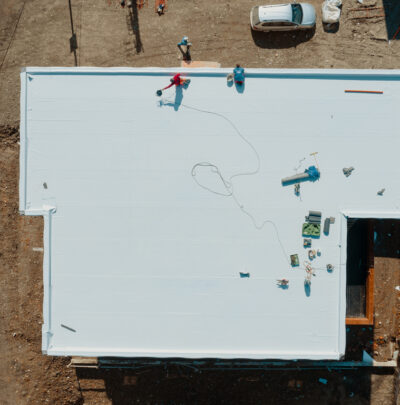
EPDM stands for ethylene propylene diene monomer. It is a single-layer rubber roofing membrane commonly used on flat and low-slope commercial buildings. EPDM roofing is installed in large sheets that are secured to the roof using adhesives, mechanical fasteners or ballast, depending on the building’s design and structural requirements.

One of EPDM’s defining characteristics is its flexibility. The material remains pliable in both hot and cold conditions, allowing it to expand and contract without cracking. This flexibility helps reduce stress on seams and roof penetrations over time.

EPDM roofs are commonly used on warehouses, office buildings, manufacturing facilities, retail centers and institutional buildings. The system has a long history of performing reliably in harsh climates because its flexible rubber membrane is highly weather resistant and holds up well under snow loads, UV exposure and temperature extremes. This makes EPDM systems especially effective for many commercial buildings in Colorado.

Important Benefits

Benefits of EPDM Roofing Systems

When installed and maintained correctly, EPDM roofing systems offer several important benefits.

Proven Longevity

EPDM has a long track record in commercial roofing. Many EPDM roofs last 25-50 years when properly maintained.

Excellent Flexibility

Because EPDM remains flexible in a wide range of temperatures, it handles expansion and contraction better than more rigid roofing materials. This reduces the likelihood of cracking or seam failure over time.

Strong Resistance to Weather

EPDM holds up well against sunlight, ozone, wind and temperature extremes, making it a reliable option in climates with seasonal weather changes, including Colorado.

Straightforward Repairs

When damage does occur, EPDM is often easier to repair than some other commercial roofing systems, especially when issues are caught early.

Long-Term Value

EPDM often delivers strong value over time due to its durability and relatively low maintenance needs.

When Should I Consider EPDM Commercial Roofing?

An EPDM roof is often a good option in the following applications:

  • Flat or low-slope commercial buildings
  • Projects needing quick installation, such as new builds or retrofits, with options for adhered or mechanically fastened systems
  • Buildings that experience frequent temperature changes
  • Buildings that experience significant snow, hail or high winds, making durability a top priority

That said, EPDM is not the right choice for every building. Factors such as foot traffic, drainage design, energy-efficiency goals and how the roof is used all matter. At HRS Commercial Roofing, we walk through these considerations with you in detail so you understand the tradeoffs and can make an informed decision based on your building’s specific needs. If EPDM is the right solution, we’ll design and install a system that aligns with your structure, usage and long-term plans.

Years of Hands-On Experience

EPDM Roof Installation Process

The performance and lifespan of an EPDM roof depend heavily on how it is installed. At HRS Commercial Roofing, our installation process is built on industry standards and years of hands-on experience with EPDM commercial roofing systems.

Inspection and Planning

We evaluate the roof structure, drainage, insulation and overall condition to determine whether EPDM commercial roofing is a good fit and to plan the installation properly.

Preparing the Roof Surface

If required, the existing roofing system is removed and the roof deck is inspected. Any damaged areas are repaired before new materials are installed.

Installing Insulation and Membrane

Insulation is installed to support energy efficiency and proper drainage. The EPDM membrane is then laid out and secured using the appropriate method for the building.

Seaming and Detailing

Seams, edges, penetrations and transitions are carefully sealed to create a watertight surface.

Final Inspection

We review the completed roof to make sure it was installed properly and delivers the effective performance you need.

How Long Do EPDM Roofs Last?

EPDM roofs typically last 25-50 years, with 30 years being the average lifespan. This makes them a highly durable, long-term solution, especially for flat or low-slope roofs.

The actual lifespan of your EPDM roof will depend on a variety of factors, including:

  • Quality of installation
  • Attachment method used
  • Amount of foot traffic
  • Exposure to weather conditions
  • Regular inspections and maintenance

Routine maintenance and timely repairs can significantly extend the life of an EPDM roof. HRS Commercial Roofing provides ongoing maintenance services designed to help protect your roof and maximize its lifespan.

How Is EPDM Roofing Repaired and Maintained?

EPDM roofing is generally straightforward to repair when issues are addressed early. Repairs commonly include sealing seams, patching punctures, repairing flashing and correcting drainage issues.

Maintenance typically involves routine inspections, clearing debris, checking seams and penetrations, and addressing small issues before they become larger problems. Because EPDM is flexible, many repairs can be completed efficiently with minimal disruption.

Our maintenance and repair services focus on preventing leaks, protecting the membrane and extending the roof’s service life.

Read More

Why Choose HRS for EPDM Commercial Roofing

Choosing the right contractor plays a major role in how well an EPDM roof performs over time. At HRS Commercial Roofing, we work with EPDM systems regularly and understand how they age, where problems tend to develop, and how to address them correctly. Our team provides clear explanations, honest recommendations and careful installation that follows manufacturer guidelines. Our commitment to providing the exceptional quality workmanship ensures you receive long lasting results.

HRS is a subsidiary of Haselden Construction, a third-generation, family-owned company serving Denver and the Rocky Mountain region for over 50 years. We’re proud to be a long-standing part of our community, and we work hard to develop long-term relationships with our clients. As your dedicated partner, we’ll be here to provide the expert commercial roofing services you need throughout the life of your roof. You can count on us to do the job right the first time and if a problem arises, we’ll make sure to fix it for you.

Commercial Roof Assessment

Contact us today to schedule a roof assessment. HRS Commercial Roofing serves clients in Denver and throughout the Rocky Mountain region.

Frequently Asked

EPDM Roofing FAQs

What is an EPDM roof used for?

EPDM roofs are commonly used on flat and low-slope commercial buildings such as warehouses, offices and industrial facilities.

How long does an EPDM roof last?

Most EPDM roofs last between 25 and 50 years, depending on installation quality, weather exposure and maintenance.

Can an EPDM roof be repaired instead of replaced?

In many cases, yes. Localized issues can often be repaired if the roof is otherwise in good condition.

How often should an EPDM roof be inspected?

EPDM roofs should typically be inspected once or twice per year and after major storms.

Does EPDM roofing work well in Colorado?

Yes. EPDM’s flexibility and weather resistance make it well-suited for Colorado’s temperature swings and seasonal conditions.

Is EPDM the right choice for my building?

The best way to know is through a professional assessment. HRS Commercial Roofing can help you determine whether EPDM fits your building, usage and long-term goals.