
Key Takeaways:
Healthcare facilities require roofing systems that meet high standards of performance, safety, durability and longevity, with particular attention to leak prevention, chemical composition and resistance to moisture intrusion that can compromise sterile environments. PVC roofing systems are well-suited for healthcare facilities with rooftop exhaust, grease or chemical exposure, offering strong chemical and fire resistance, heat-welded seams and a lifespan of 20-30 years. TPO roofing systems provide similar performance to PVC at a lower upfront installation cost, with a lifespan of 15-30 years depending on maintenance. Modified bitumen is a multi-layer asphalt-based option that provides strong weather resistance, water resistance and durability, with a typical lifespan of 20-30 years. Hybrid roofing systems combine a modified bitumen base layer with a TPO or PVC cap layer, offering exceptional durability and better energy efficiency than standard modified bitumen. Key factors for healthcare facilities to consider when selecting a roofing system include ease of installation, VOC content of materials, water resistance, durability, cost and compatibility with future expansion plans.
The roofing system you choose for your healthcare facility plays an important role in providing the protection you need for your patients, staff and medical equipment. An effective roofing system can help minimize the risk of leaks and moisture intrusion, which can result in mold growth and other conditions which make it challenging to maintain a sterile environment. Healthcare facilities need roofing systems that meet the highest standards of performance, safety, durability and longevity, making this one of the most important infrastructure decisions you have to make.
PVC Roofing Systems
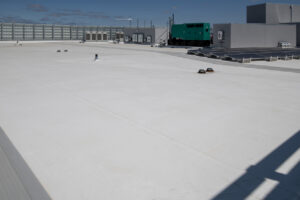 PVC roofing systems are a popular choice for healthcare facilities with rooftop exhaust, grease or chemical exposure because PVC has strong chemical and fire resistance. This single-layer membrane is made from a synthetic plastic polymer material and is ideally suited for flat and low-slope roofs. It has a white reflective surface and heat-welded seams that perform well in demanding environments.
Some of the most important benefits provided by PVC roofing systems include:
- Durability – PVC roofs have exceptional durability and can handle the additional stress caused by rooftop equipment and heavy foot traffic.
- Longevity – When properly installed and maintained, PVC roofs typically last 20-30 years.
- Weather Resistance – PVC membranes hold up well in high winds and temperature extremes.
- Energy Efficiency – PVC’s reflective surface reduces heat absorption from UV rays, lowering cooling costs during the hot summer months.
- Seam Strength – The heat-welded seams provide a watertight surface that prevents leaks which can compromise the sterile conditions required at healthcare facilities.
TPO Roofing Systems
TPO roofing systems are another common option used by healthcare facilities. They’re made from a blend of rubber, propylene and ethylene that works well on buildings with flat or low-slope roofs. As with PVC systems, TPO roofing systems consist of a single-layer membrane that is heat-welded at the seams to create a very watertight surface that is highly reflective.
Choosing a TPO roofing system for your healthcare facility offers a variety of benefits, including:
- Durability – TPO roofs provide strong UV and chemical resistance. They also hold up well under heavy foot traffic and don’t puncture or tear easily.
- Longevity – While the lifespan of a TPO roof is a little more variable than a PVC roof, you can typically expect this system to last between 15 and 30 years with proper maintenance.
- Moisture Resistance – The heat-welded seams create a tight bond that prevents leaks.
- Energy Efficiency – These light-colored, reflective membranes reduce heat absorption and reduce cooling costs.
- Lower Installation Costs – TPO roofing systems have a lower upfront installation cost than some of the other options commonly used with healthcare facilities, while still providing the high performance your building needs.
Modified Bitumen Roofing Systems
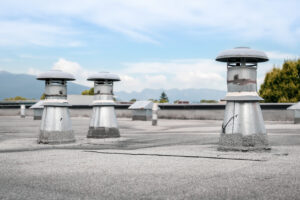 If you prefer a multi-layer roofing system for your healthcare facility, modified bitumen is an excellent option. Modified bitumen is an asphalt-based roofing system that is enhanced with rubber or plastic materials to improve its strength, flexibility and weather resistance. It’s installed in layers using a cold adhesive, heat welding or mechanical fasteners.
Modified bitumen roofing systems offer the following benefits:
- Weather Resistance – These systems perform well in wind, snow and temperature swings.
- Water Resistance – The multi-layer construction provides added protection in the event that a seam separates, helping to prevent leaks.
- Durability – The use of multiple layers also protects against surface damage and limits the impact of wear and tear. These systems also hold up very well under heavy foot traffic.
- Longevity – Modified bitumen roofs typically last 20-30 years, depending on the materials used and how well you stay on top of maintenance.
Hybrid Roofing Systems
Hybrid roofing systems combine a modified bitumen base layer with either a TPO or PVC cap layer. These systems combine the strength and puncture resistance of modified bitumen with the flexibility and reflectivity of TPO or PVC membranes. You’ll achieve exceptional durability and longevity while getting better energy efficiency than is possible with a regular modified bitumen roof.
Important Factors to Consider When Choosing a Roofing System for Your Healthcare Facility
Roofing decisions at healthcare facilities have higher stakes than with other types of commercial buildings. They can significantly impact your ability to provide proper patient care and a sterile environment that reduces risks to the most vulnerable patients. Considering the following factors will help ensure you provide the protections your patients need both during the installation process and over the roof’s lifespan:
- Ease of Installation – Roofing systems that require a longer, more complicated installation process can increase both the frequency and duration of interruptions to your operations, making it more challenging to provide the care your patients need.
- Chemical Components – Healthcare facilities must maintain highly sterile environments. It’s critical to choose a roofing system that uses materials with low quantities of volatile organic chemicals (VOCs) and other chemical compounds. This is especially critical if you regularly treat elderly or immunocompromised patients.
- Durability – Roofing systems that don’t provide strong durability can increase the frequency of repairs over their lifespan. This can cause increased disruptions to your operations and make it more challenging to provide sanitary conditions at your facility.
- Water Resistance – Roofing systems that are prone to punctures and other damage that can cause leaks will increase your risk of water intrusion. Anytime you have a water incident at your facility, it can compromise your ability to maintain a sterile environment, and the mold growth that often accompanies water damage can exacerbate health issues experienced by your patients.
- Cost – While cost shouldn’t be the top factor to consider when choosing a roofing system, it’s often a consideration at healthcare facilities that don’t have extensive funding. Choosing a system that fits your budget while providing the best value in terms of durability, water resistance and longevity will help you maintain proper patient care and reduce the ongoing maintenance costs associated with your roof.
- Future Expansion Plans – Many hospitals add new wings over time. If your facility has plans to expand during the lifespan of your new roof, it’s important to choose a system that will make it easier for your roofing company to extend the roof over the new sections in a cost-effective manner that doesn’t compromise the integrity of your existing roof.
HRS Commercial Roofing Can Help
At HRS Commercial Roofing, we provide comprehensive roofing services for healthcare facilities. We understand the unique challenges associated with installing a roof in a healthcare environment, and our team will go the extra mile to ensure you’re able to maintain optimal conditions throughout the roof replacement process. We’ll work closely with your facilities team to ensure all work is scheduled in a way that reduces noise, limits debris and minimizes disruptions to your patient care.
As your dedicated roofing partner, we’re able to support your facility throughout the lifespan of your new roof, providing all regular roof assessments, repairs and maintenance services. By building a long-term relationship with your facility, we’re able to better understand your specific needs and recommend roofing solutions that work for your staff and your patients, allowing you to provide the best possible care whenever we’re onsite.
HRS is a subsidiary of Haselden Construction, a family-owned company serving Denver and the Rocky Mountain region for over 50 years. Haselden is the only construction company of its size with a dedicated roofing team, and our affiliation with them allows us to keep all work in-house, providing a more streamlined process, faster turnaround times and highly competitive pricing. You’ll also have peace of mind that all work is completed according to the exacting quality standards Haselden has become known for.
Contact us today to schedule a roof assessment. HRS Commercial Roofing serves healthcare facilities in Denver and throughout the Rocky Mountain region.
