
Key Takeaways:
Budgeting for a multifamily apartment building roof replacement requires accounting for both direct costs and a contingency buffer of 20-30% for hidden costs. Direct costs include materials, labor, tear-off and disposal, permits and structural repairs. Hidden costs — which can increase the total project cost by 15-20% — include debris disposal fees, pest remediation, temporary weather protection and unexpected labor costs. Several factors impact the total cost of a roof replacement, including roof size, materials, complexity, pitch, height, accessibility and the condition of the existing roof. To budget annually, divide the estimated replacement cost by the years remaining until replacement, then add 10-20% for inflation and bid volatility. Property managers should also set aside 1-2% of the original roof cost each year for maintenance and repairs. Getting two to three estimates and asking detailed questions about scope, warranties and payment terms will help ensure an accurate and complete picture of project costs.
Roof replacement is one of the largest expenses associated with managing multifamily apartment buildings, but it’s also one of the most critical steps you can take to protect your rental income, the property value of the building and the safety of your tenants. The good news is that in most instances, the timing of your multifamily apartment building roof replacement is very predictable. If you stay on top of all regular roof maintenance, get regular roof inspections and understand the average lifespan for your specific commercial roofing system, you should be able to budget for this expense so that you have the money set aside when the time comes to replace your roof.
Your Building’s Roof Replacement Budget Should Include Two Categories
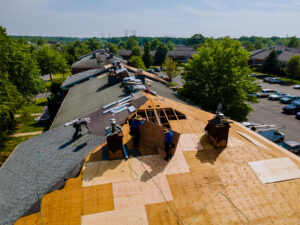 Accurate budgeting for your roof replacement project requires a detailed understanding of all the costs involved, not just the cost of the roofing system. When estimating the total budget for the project, it’s helpful to group the costs into two separate categories:
- Direct costs
- Contingency buffer for hidden costs
Direct Costs
Direct costs refer to the standard expenses that will be outlined in the commercial roof replacement estimate. These typically include:
- Materials
- Labor
- Tear-off and disposal of existing roofing
- Permits
- Any required structural repairs
Contingency Buffer for Hidden Costs
Hidden costs refer to overlooked expenses that aren’t apparent upfront. Because you don’t necessarily know these items will impact your budget until the job is underway, they are harder to plan for. Common hidden costs associated with a multi-family apartment roof replacement project include:
- Temporary weather protection during construction
- Interior damage that may potentially occur during the project
- Pest remediation if signs of rodent, bird or insect infestations are present when roofing layers are removed
- Unexpected labor costs (these most often occur on complex projects)
- Staging and tenant coordination costs during the project
In general, hidden costs can often increase the price of your roof replacement project by 15-20%. To be on the safe side, it’s best to plan on having a contingency buffer that is roughly 20-30% of the cost of the project. This will ensure you have enough money budgeted for the project in the event that the hidden costs are higher than expected.
Factors Impacting the Cost of Your Roof Replacement
 There are several factors which will impact the cost of your multifamily apartment building roof replacement project:
- Roof Size – Roofing materials are typically priced per square foot, so the larger the size of your roof, the more expensive the cost.
- Roofing Materials – Different roofing materials have varying prices per square foot, so the roofing system you choose for your multifamily building will play a major role in the final cost of the project.
- Roof Complexity – More complex roof layouts containing valleys, ridges, hips, eaves, skylights and other design features will require more materials and create more material waste than simple roof layouts. Complex roofs will also increase labor costs.
- Roof Pitch – Steeper roof pitches can increase costs due to safety equipment requirements and longer installation time.
- Roof Height and Access – Taller multifamily apartment buildings can increase labor costs and require special equipment to access the roof. Similarly, buildings with limited roof accessibility will require equipment such as boom trucks or cranes, which can increase the cost and extend the timeline of the project.
- Existing Roof Condition – Rotten decking, damaged flashing or other issues with your existing roof can create the need for repairs which increase the cost of the project.
- Number of Buildings – If your multifamily apartment complex contains multiple buildings, it will increase the complexity of the logistics associated with the project and potentially require additional tear-off and cleanup work, adding to the cost of the project.
- Roof Accessories – Roofing systems that include accessories such as skylights, premium underlayment, upgraded hip and ridge caps, and upgraded pipe boots can increase the cost of the project.
Annual Budgeting Is Critical
Replacing the roof on your multifamily apartment building is a significant expense, making annual budgeting a critical strategy to ensure you can afford the cost when the time arises. To ensure you have enough money, use the following formula:
Estimated total replacement cost ÷ years remaining until replacement = annual reserve to set aside
Once you arrive at that figure, add an extra 10-20% for inflation, bid volatility and hidden costs. In addition, creating a separate annual fund for roof maintenance and repairs will ensure these costs don’t stress your operating budget. Setting aside 1-2% of the original roof cost each year is generally sufficient to cover your maintenance and repair expenses.
Getting Estimates on Your Multifamily Building Roof Replacement Project
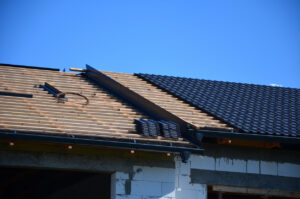 In general, it’s best to get at least two or three estimates before choosing a commercial roofing company to perform the work. Seeing multiple estimates will allow you to understand exactly what is included and the different costs associated with the project, making it easier to choose the right provider.
Keep in mind that the lowest estimate may not always be the best option. Often, very low estimates may be missing certain components which can increase your costs mid-project. By comparing multiple estimates, you’ll be able to see when missing line items for components such as ventilation, flashing, warranties, cleanup or disposal are creating an incomplete picture of the final cost.
Asking the following questions of each roofing company will help you clarify the scope of what is covered in their estimate:
- Is the estimate fully itemized, and does it include all costs for materials, labor, permits, disposal and cleanup?
- What warranties are provided, and what conditions will affect my coverage?
- What is the cost per sheet for decking replacement if damage is discovered?
- How many tear-off layers are included, and what are the handling procedures for additional layers?
- Will the flashing be replaced or reused, and what materials will be used for the installation?
- Who will oversee the project, and how will changes be communicated to stakeholders?
- What are the payment terms and deposit requirements?
Annual Roof Inspections will Help You Plan for Roof Replacement
Annual roof inspections are an important part of your multifamily apartment building roof maintenance plan. These inspections will help you identify problems with your roof in their earliest stages, ensuring they’re addressed before major repairs are required. This will minimize your repair costs and help you maximize the service life of your roof. Your inspection report will also help you understand the remaining life of your roof so that you can make any adjustments necessary to your annual roof replacement budget if the remaining lifespan is shorter than previously expected.
HRS Commercial Roofing Can Help
At HRS Commercial Roofing, we’ve been providing roof replacement services to multifamily apartment buildings in Denver for over 50 years. We understand that these projects are different from other commercial roof replacement jobs. The financial structures of condo HOAs and the need to accommodate for tenants living in the building require higher levels of communication and coordination with your facilities managers. Our process prioritizes reliability and predictability so that you can minimize the disruptions to your tenants.
HRS is a subsidiary of Haselden Construction, a local, third-generation company serving the Denver area for over 50 years. Our affiliation with Haselden ensures you always receive the exceptional quality workmanship they’ve become known for. In addition, it allows us to manage the entire process in-house for a more streamlined process, faster turnaround times and highly competitive pricing.
Our goal is to build a long-term relationship with you based on trust, transparency and a commitment to getting the job done right. As your dedicated commercial roofing partner, we’ll always be here to assist you with all inspections, maintenance and repairs throughout the life of your roof. Our continued relationship with you allows us to clearly understand your needs so that our recommendations always align with your goals and adhere to your budget. As part of supporting your roof through every stage of its lifecycle, we’ll assist you with planning and budgeting so that you’ll be prepared the next time you need to replace your roof.
Contact us today to schedule a roof assessment. HRS Commercial Roofing serves multifamily apartment buildings in Denver and throughout the Rocky Mountain region.
