
Key Takeaways:
Data center roofs require more frequent and rigorous inspection than standard commercial roofs because even minor moisture intrusion can quickly damage critical power, cooling and IT equipment, resulting in costly downtime, data loss, and regulatory or contractual penalties. The most common causes of data center roof failures include poor drainage, failed flashings and penetrations, membrane punctures, and damage from thermal cycling and severe weather. Professional roof inspections should be scheduled twice a year, with additional assessments within 48-72 hours after severe weather events, and supplemented by monthly visual walkthroughs performed by facility staff. A comprehensive inspection includes both visual assessment and advanced non-destructive testing methods such as infrared scanning, electronic leak detection, drone imagery and capacitance testing to identify moisture and membrane breaches beneath the roof’s surface. Following each inspection, facility managers should prioritize repair items by urgency, notify relevant teams of any risks to uptime, and retain inspection reports for warranty, compliance and insurance purposes.
The roof of your data center protects much more than the building. It also protects your servers from catastrophic damage. A roof failure at your data center can create financial consequences that extend well beyond the repairs to your building and the associated property damage. When water from a roof leak destroys your servers and corrupts client data, you may also incur significant lost revenue, costly regulatory fines, breach of contract penalties and long-term damage to your reputation that can impact your business for years to come.
The high stakes associated with roof damage at your data center make regular roof inspections an essential component of your operations. Catching a failing roof membrane, compromised flashing or blocked drainage system early can be the difference between a minor repair and a catastrophic failure that takes your servers offline, exposes client data, and triggers the regulatory and contractual consequences that follow.
Common Causes of Roof Failures in Data Centers
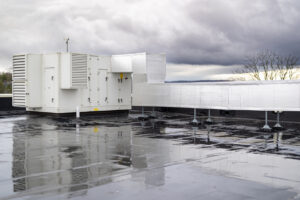 The most common causes of data center roof failures come from issues that lead to water intrusion. These include:
- Poor Drainage and Ponding Water – Standing water accelerates roof deterioration and increases the chance of a roof leak that can damage your server equipment.
- Failed Penetrations and Flashings – Damage to flashing around plumbing vents, HVAC units, chimneys and other penetrations are common sources of roof leaks.
- Membrane Punctures or Tears – Foot traffic, falling debris, maintenance work and hail can damage the waterproof layer of your data center roof.
- Installation or Repair Errors – Improper heat welding, weak adhesives and poorly sealed joints can increase the likelihood of leaks early in the roof’s lifespan.
- Thermal Cycling – Repeated expansion and contraction of roof materials due to temperature fluctuations can crack materials and weaken seams over time.
- Weather Exposure – High winds, driving hail, heavy rain and extreme heat can trigger roof failures, especially on flat or low-sloped roofs.
Even minor moisture intrusion at your data center can damage critical power, cooling and IT equipment quickly. This can result in downtime and hardware damage that significantly impacts both your business and your clients.
Important Roof Conditions to Inspect
Your regular roof inspections should focus on the conditions most likely to cause your data center roof to fail:
- Membrane punctures
- Seam separation
- Flashing deterioration
- Blocked drains
- Ponding water
- Damaged penetrations
- Worn curbs, pipe boots and sealants
How Often Should Data Center Roofs Be Inspected?
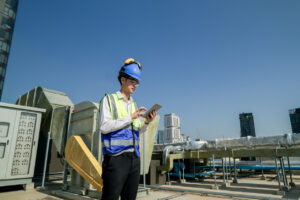 Regular professional roof inspections play a critical role in preventing water intrusion, structural damage and early roof system failure. These inspections will carefully assess membrane adhesion, flashing integrity and drainage systems to detect issues that an employee at your facility may not notice.
Data centers have different roofing needs than other commercial buildings. A small roof defect can result in downtime, equipment damage or data loss that can be very costly to your business. To prevent these issues, schedule a professional roof inspection twice a year, with additional assessments performed within 48-72 hours after severe weather events. If your roof is nearing the end of its lifespan, quarterly inspections may be necessary to safeguard your equipment and the data it contains.
It’s also a good idea to supplement these professional assessments with monthly walk-through inspections by your facilities team. These basic visual checks should focus on identifying ponding water, visible roof damage and blocked drains. If your team notices any of these issues during their monthly roof check, contact your professional roofing company at once to schedule a professional assessment.
What to Expect During Your Professional Data Center Roof Inspection
A comprehensive data center roof inspection from a commercial roofing company will include a visual inspection as well as advanced testing to detect moisture and other issues.
Visual Inspection
During the visual inspection, your roofing technician will walk the roof to check for:
- Membrane splits
- Blisters
- Punctures
- Open seams
- Failed flashing
- Ponding water
- Clogged drains
- Wear and tear around curbs and rooftop equipment
- Debris
In addition, an interior examination will be performed to identify signs of water intrusion, such as ceiling or wall stains. If any signs of water intrusion are detected, your technician will work to trace the leak back to its source.
Advanced Testing
While this visual inspection is an important way to identify issues on the roof’s surface, it often can’t detect underlying problems beneath the surface. Advanced testing is performed to ensure these underlying issues are caught in their earliest stages before you develop a problem that results in costly downtime, equipment damage or extensive roof repairs.
Non-destructive roof testing is used to evaluate the layers of your roofing system below the membrane without coring, cutting or damaging the roof. These advanced testing measures are extremely effective at identifying moisture beneath the roof’s surface, breaches in the waterproofing layer of the membrane, and insulation degradation.
Common non-destructive roof testing methods used during data center roof inspections include:
- Infrared scanning to detect temperature changes caused by moisture underneath the roof’s membrane
- Electronic leak detection to pinpoint leaks and breaches in the waterproofing membrane
- Drone imagery to help identify issues in areas of your roof that may be difficult or unsafe to access on foot
- Capacitance testing to identify wet areas in your insulation
Non-destructive testing helps you identify roof issues in their earliest stages so you can make targeted repairs that reduce your long-term maintenance costs and extend your roof’s lifespan.
Detailed Reporting
After your roof inspection is complete, you’ll receive a detailed report containing photos and documentation of any roof defects and safety hazards, along with any repair recommendations that may be necessary. Issues will be clearly ranked by severity so you understand which items require immediate repair and which should be monitored over time. Your inspection report will play an important role in future roof maintenance planning, allowing you to properly budget for any upcoming repairs that go beyond routine maintenance.
Steps to Take After Your Roof Inspection
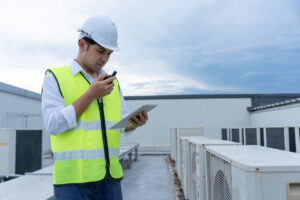 Your professional roof inspection will provide you with critical information necessary to protect your data center’s roof and prevent unnecessary downtime at your facility, but this information will only be effective if you take the actions necessary to address any issues that are identified. Your team should take the following steps immediately after your roof inspection:
- Review the inspection report and separate action items into three categories: urgent repairs, near-term repairs and issues that need monitoring
- Secure any active leaks with temporary repairs
- Notify your facilities, maintenance and IT teams about any risks that can impact uptime or equipment
- Schedule repairs for any urgent items detected
- Update your roof maintenance logs and inspection schedule
- If near-term repairs are recommended, begin budgeting for any large items that will require your attention within the next year or two
- Store the inspection report in a safe location so that you have records for any future warranty, compliance or insurance needs
HRS Commercial Roofing Can Protect Your Data Center Roof
At HRS Commercial Roofing, we perform comprehensive roof inspections to help you identify issues before they develop into major problems that result in costly downtime, equipment damage or repairs. Our team has extensive experience working on data center roofs, and we know exactly what to look for during your routine inspections. We’ll provide you with a comprehensive report that clearly outlines any issues we find, along with detailed recommendations for any necessary roof repairs. This attention to detail will help you maximize the lifespan of your roof.
HRS is a subsidiary of Haselden Construction, a third-generation, family-owned Colorado construction company serving Denver and the Rocky Mountain region for over 50 years. Haselden is the only general contractor of its size in the Denver area with a dedicated commercial roofing team. This affiliation allows us to keep all work in-house, providing a more streamlined process and the most competitive pricing possible.
At HRS, we’re committed to being your dedicated roofing partner. We’ll build a long-term relationship with your team that helps us understand your specific needs and provide the ongoing support you need throughout your roof’s lifecycle, including all maintenance, repairs, restoration and replacement work. You’ll have peace of mind that all work is performed according to Haselden’s exacting quality standards.
Contact us today to schedule a roof inspection. HRS Commercial Roofing serves data centers in Denver and throughout the Rocky Mountain region.
