× Close
24/7 Service: (303) 241-7849

PVC Commercial Roofing

PVC Commercial Roofing Services in Denver

A Durable, Chemical-Resistant Roofing Option for Demanding Commercial Environments

PVC commercial roofing systems are commonly used on commercial and industrial buildings that require a high level of durability and resistance to harsh conditions. Known for their strength, welded seams and chemical resistance, PVC roofs are often selected for buildings where other roofing materials may wear out more quickly.

At HRS Commercial Roofing, we work with PVC commercial roofing systems on buildings where exposure, usage and operating conditions place higher demands on the roof. That experience allows us to determine when PVC is the right choice, when another system may perform better and how to create a customized solution for your building that holds up under your specific conditions.
polyvinyl chloride

What Is PVC Roofing?

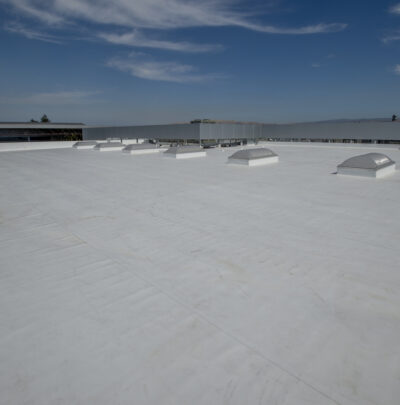
PVC stands for polyvinyl chloride. In commercial roofing, PVC is a single-layer membrane designed for flat and low-slope roofs. It is installed in large sheets that are mechanically fastened or fully adhered, then heat-welded at the seams.

One of PVC’s defining features is the strength of its seams. Because seams are heat-welded, they form a single, continuous bond that helps prevent water intrusion. PVC membranes are also formulated to resist many chemicals, oils and grease, which can break down other roofing materials over time.

PVC roofs are commonly used on restaurants, manufacturing facilities, warehouses, retail buildings and commercial properties with rooftop equipment or exhaust systems. The material’s durability and resistance to harsh exposure make it a strong option in demanding environments.

Several Advantages

Benefits of PVC Roofing Systems

PVC roofing systems offer several advantages for commercial buildings that place higher demands on their roof.

Exceptional Seam Strength

Heat-welded seams create a strong, watertight surface that resists separation over time. This is one of the key reasons PVC roofs perform well in leak-prone environments.

Resistance to Chemicals and Grease

PVC holds up well against oils, grease and many industrial chemicals. This makes it a practical choice for restaurants, food processing facilities and industrial buildings.

Strong Weather Resistance

PVC membranes resist UV exposure, wind and temperature extremes, helping them perform reliably in climates like Colorado’s.

Durability Under Rooftop Activity

PVC roofs handle foot traffic and rooftop equipment better than many other single-ply systems when properly installed.

Long-Term Performance Value

While PVC systems may carry a higher upfront cost than some alternatives, they often deliver strong long-term value in environments where durability and resistance matter most.

When Should I Consider PVC Commercial Roofing?

A PVC roof may be a good option if:

  • Your building has a flat or low-slope roof
  • The roof is exposed to grease, chemicals or exhaust
  • Seam strength and leak resistance are high priorities
  • The roof supports regular foot traffic or equipment access
  • Long-term durability is more important than lowest upfront cost

PVC roofing works best when it’s matched to the right building and operating conditions. Cost considerations, roof layout, insulation strategy and how the building is used all influence whether PVC is the right choice.

At HRS Commercial Roofing we help you weigh those variables and understand the tradeoffs. When PVC is the right fit, we tailor the system and our installation services to meet your building’s specific needs and long-term objectives.

PVC Roof Installation Process

Installing a PVC roof requires careful planning and precise execution. Because PVC systems rely on welded seams and material compatibility, small installation mistakes can affect performance over time. Our approach focuses on building the system correctly from the start so it holds up under the specific demands placed on the roof.

We begin by taking a close look at the building itself. Roof structure, drainage patterns, insulation needs and existing conditions all factor into how the PVC system should be designed and installed. This step ensures your roofing system is matched to the needs of your building.

Once planning is complete, we prepare the roof surface for installation. If an existing roof needs to be removed, we do so carefully and inspect the deck underneath. Any areas that show signs of damage or deterioration are addressed before new materials are installed.

Next, insulation is installed to support thermal performance and proper water flow. The PVC membrane is then positioned and secured according to manufacturer requirements and project specifications.

Seams, penetrations, edges and transitions are heat-welded to create a continuous, watertight surface. This step is critical for PVC roofing, as seam integrity plays a major role in long-term leak resistance.

After installation is complete, we perform a final review of the roof to confirm the system was installed correctly and is ready to perform as intended.

How Long Do PVC Roofs Last?

PVC roofs typically last 20 to 30 years, though lifespan depends on several factors, including:

  • Quality of installation
  • Roof usage and foot traffic
  • Exposure to chemicals or exhaust
  • Weather conditions
  • Regular inspections and maintenance

With proper care and timely repairs, many PVC roofing systems reach or exceed their expected service life. HRS Commercial Roofing provides ongoing maintenance services to help protect your investment.

How Is PVC Roofing Repaired and Maintained?

PVC roofing systems tend to perform best when minor issues are addressed before they have time to spread. Because PVC membranes are heat-welded, most repairs focus on restoring the integrity of the surface and seams rather than replacing large sections of the roof.

When repairs are needed, they may include welding patches over damaged areas, reinforcing seams, repairing flashing around penetrations or correcting drainage conditions that allow water to sit on the roof. Proper technique is important, as poorly executed repairs can weaken seam strength and compromise waterproofing.

Ongoing maintenance focuses on keeping the roof clean, monitoring welded seams, and checking areas that experience the most stress from foot traffic or rooftop equipment. At HRS, we provide the ongoing maintenance and repairs you need to ensure your PVC roof continues to perform reliably and reaches its expected service life.

Read More

Why Choose HRS for PVC Commercial Roofing

Choosing the right contractor plays a major role in how well a PVC roof performs over time. At HRS Commercial Roofing, we work with PVC roof systems regularly, and we understand where they excel and where extra care is required. This expertise ensures your new roof will be installed correctly and perform well for years to come.

You’ll also benefit from our affiliation with Haselden Construction, a family-owned company serving Colorado for over 50 years. We have deep roots in our community, and we take this seriously. Our goal isn’t to just provide you with a new roof for your building. We want to become your dedicated commercial roofing partner and cultivate a long-lasting relationship with you based on trust, transparency and quality workmanship.

When you partner with HRS, you can count on clear explanations, honest recommendations and careful installation that follows manufacturer guidelines. We focus on doing the work right the first time and supporting your roof throughout its lifespan with reliable service and clear documentation.

Frequently Asked

PVC Roofing FAQs

Why do some commercial buildings choose PVC over other roofing systems?

PVC is often chosen for buildings that place higher demands on the roof, such as restaurants, manufacturing facilities or properties with heavy rooftop equipment. Its welded seams and resistance to grease and chemicals make it a strong option where other materials may break down more quickly.

Is PVC roofing a good choice for buildings with rooftop equipment?

Yes. PVC holds up well under regular foot traffic and around rooftop units when installed correctly. Its durability and seam strength make it well-suited for roofs that require frequent access.

How does PVC roofing handle grease and chemical exposure?

PVC membranes are formulated to resist oils, grease and many chemicals. This is one of the main reasons PVC is commonly used on restaurants and industrial buildings with exhaust systems.

What are the most common maintenance needs for a PVC roof?

PVC roof maintenance typically involves inspecting welded seams, checking flashing and penetrations, clearing debris and monitoring areas with the most foot traffic. Addressing small issues early helps prevent larger problems.

Can a PVC roof be repaired if damage occurs?

In many cases, yes. Localized damage can often be repaired by welding patches or reinforcing seams, provided the rest of the roof is in good condition.

How do I know if PVC roofing makes sense for my building?

The best way to determine that is through a professional roof assessment. HRS Commercial Roofing can evaluate your building’s use, exposure and long-term goals to help you decide whether PVC is the right solution.